A Comprehensive Guide to Weight Training Equipment
Whether you’re just starting your fitness journey or looking to elevate your strength training routine, having the right weight training equipment can make all the difference. Investing in the appropriate tools not only maximizes your workout efficiency but also helps prevent injuries and keeps you motivated to reach your goals. In this article, we break down essential weight training gear, their benefits, and tips on choosing the best setup for your needs.
Why Quality Weight Training Equipment Matters
Weight training is more than just lifting heavy objects; it’s about controlled, purposeful movement designed to strengthen muscles and improve overall health. Using the right equipment ensures you’re performing exercises with proper form and adequate resistance. Poor-quality or inappropriate gear can lead to ineffective workouts or even injury. Additionally, having versatile equipment allows you to target different muscle groups and maintain variety in your routine, which is crucial for sustained progress.
Types of Weight Training Equipment
Weight training equipment comes in many shapes and sizes, each serving unique purposes. Here’s a breakdown of the most common types:
1. Free Weights
- Dumbbells: These are essential for almost any strength program. They allow for a wide range of exercises that improve muscle coordination and balance. Adjustable dumbbells are especially convenient for saving space while offering multiple weight options.
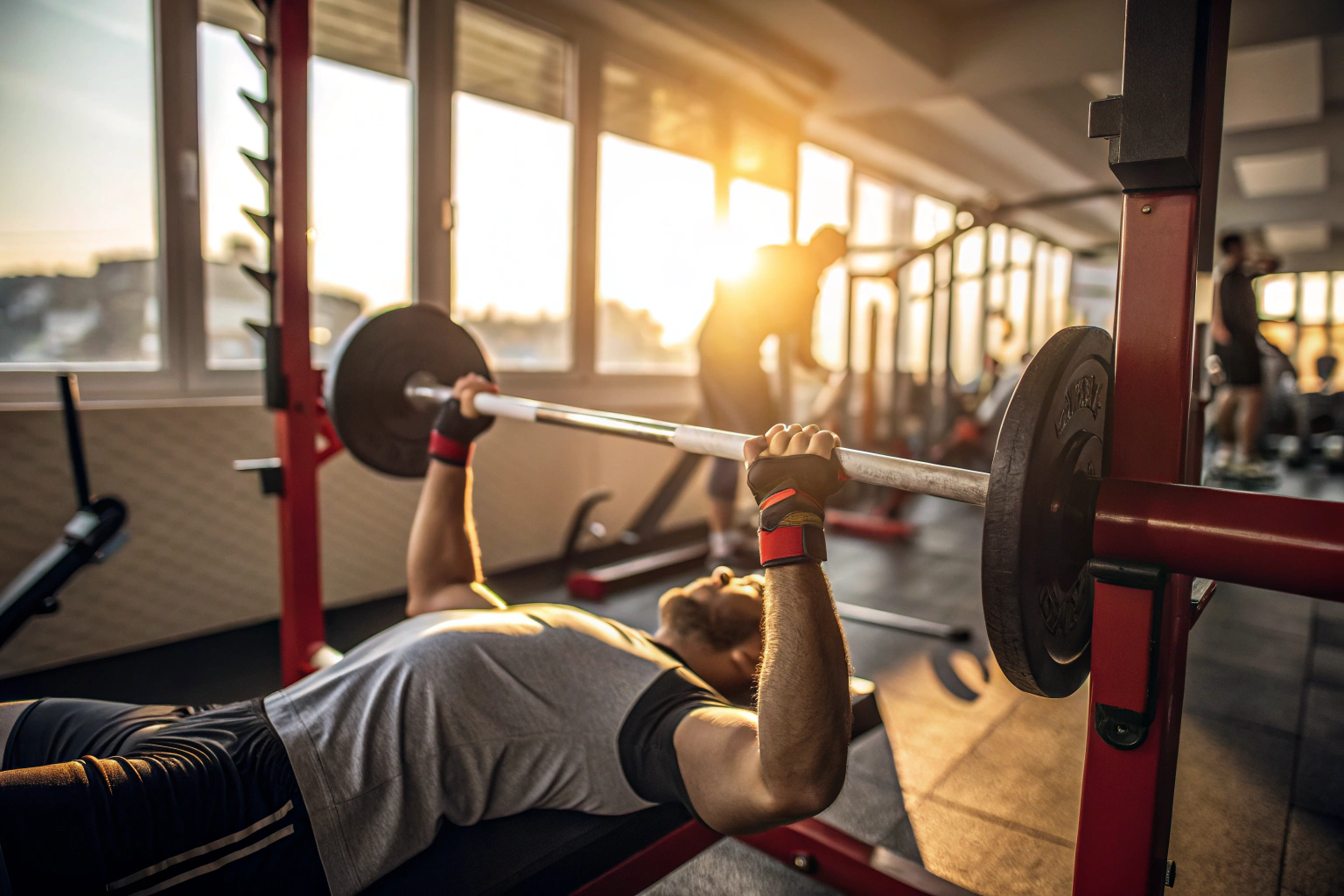
- Barbells: Ideal for compound movements like squats, deadlifts, and bench presses, barbells let you lift heavier weights and progressively overload your muscles.
- Kettlebells: These provide a unique grip and dynamic movement patterns that improve strength, endurance, and cardiovascular fitness simultaneously.
2. Machines
Weight machines are great for beginners or those rehabbing injuries because they guide your movement, reducing the risk of improper form. Common machines include leg presses, lat pulldowns, and chest presses. They isolate specific muscle groups and offer adjustable resistance levels.
3. Resistance Bands
Resistance bands are portable, affordable, and versatile. They’re excellent for adding extra resistance to bodyweight exercises or for warming up muscles before heavier lifts. They come in various tension levels, catering to all fitness stages.
4. Weight Plates and Collars
For barbell training, weight plates allow you to customize the amount of resistance. It’s essential to have secure collars to keep plates in place during lifts to ensure safety.
Choosing the Right Equipment for Your Goals
Your choice of equipment should align with your fitness objectives, available space, and budget. Here are some considerations:
Home Gym vs. Commercial Gym
If you’re setting up a home gym, prioritize equipment that fits your space and covers a range of exercises. Adjustable dumbbells and resistance bands are excellent space-savers. For commercial gyms, the variety and quantity of machines and free weights typically exceed home setups, offering more options for diverse workouts.
Strength vs. Endurance Training
For pure strength building, heavier free weights like barbells and dumbbells with higher resistance are ideal. If your focus is endurance or toning, lighter weights with higher repetitions or resistance bands might be more suitable.
Budget and Durability
Quality equipment often comes at a higher initial cost but tends to last longer and perform better, giving you more value over time. Look for trusted brands and read reviews before purchasing.
Tips for Maximizing Your Training Experience
- Start with Proper Form: Before increasing weights, master the correct form to avoid injuries and ensure you’re targeting muscles effectively.
- Warm-up and Cool-down: Incorporate dynamic stretches and light cardio to prepare your body and aid recovery.
- Progressive Overload: Gradually increase resistance or repetitions to continually challenge your muscles.
- Mix Equipment: Combining free weights, machines, and bands can keep workouts engaging and comprehensive.
- Safety First: Use collars on barbells, have a spotter for heavy lifts, and choose equipment appropriate for your level.
Final Thoughts
Choosing the right weight training equipment is foundational to a successful strength training program. Whether you prefer the freedom of free weights, the guidance of machines, or the versatility of resistance bands, having quality tools tailored to your goals empowers you to train smarter and safer. For a deeper dive into the specifics of various equipment types and their benefits, explore the full guide on weight training equipment.
Leave a Reply