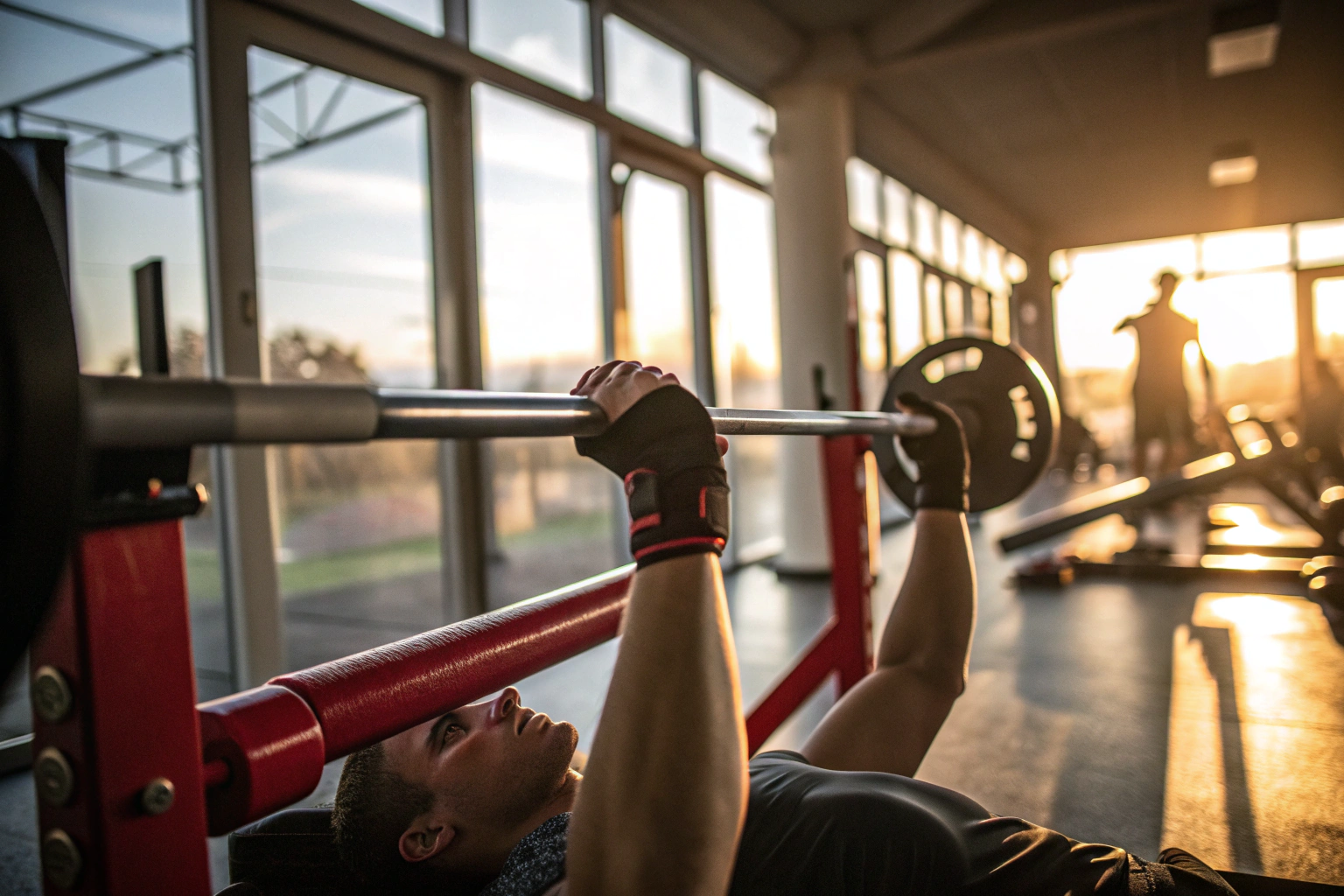
The Essential Guide to Weight Training Belts
When it comes to lifting heavy weights, safety and proper technique are paramount. One tool that has become increasingly popular among weightlifters is the weight training belt. These belts provide support to the lower back and core, helping athletes maintain stability and reduce the risk of injury during intense lifting sessions. But what exactly makes a weight training belt so beneficial, and how can you ensure you’re using it correctly? Let’s dive into the essentials.
What Is a Weight Training Belt?
A weight training belt is a thick, sturdy belt made from leather or heavy-duty synthetic materials designed to wrap around the waist. Its primary purpose is to increase intra-abdominal pressure, which stabilizes the spine during heavy lifts such as squats, deadlifts, and overhead presses. By doing so, it helps protect the lower back from excessive strain and potential injury.
Unlike a typical fashion belt, a weight training belt is wider and more rigid, often measuring around 4 inches in width. This design ensures consistent support across the lumbar region, which is critical when handling maximal or near-maximal loads.
Benefits of Using a Weight Training Belt
There are several advantages to incorporating a weight training belt into your lifting routine:
- Enhanced Core Stability: The belt encourages you to brace your core by pushing your abdominal muscles against it, creating a solid, stable base for lifting.
- Improved Performance: Many lifters find that wearing a belt allows them to lift heavier weights more safely, as the added support reduces the risk of losing form.
- Injury Prevention: By stabilizing the spine and reducing stress on the lower back, the belt can help prevent common injuries related to heavy lifting.
- Better Posture: The tactile feedback from the belt reminds lifters to maintain proper posture, keeping the back straight and aligned during movements.
When to Use a Weight Training Belt
Although weight training belts offer valuable support, they are not necessary for every lift or every lifter. Generally, belts are most beneficial during:
- Heavy compound lifts such as squats, deadlifts, and overhead presses
- Maximal or near-maximal lifts where spinal stability is critical
- Powerlifting competitions or serious strength training sessions
For lighter lifts, accessory exercises, or general fitness training, relying on a belt may not be necessary and could even hinder the development of natural core strength if overused.
How to Properly Use a Weight Training Belt
To maximize the benefits of a weight training belt, proper placement and technique are key:
- Positioning: The belt should sit snugly around your waist, covering your lower back and abdominal area. Typically, this means placing it just above your hip bones.
- Tightness: Tighten the belt enough so that it provides firm support but does not restrict your breathing or movement. You should be able to take a deep breath and brace your core against the belt.
- Bracing: Before initiating the lift, take a deep breath into your belly and push your abdominal muscles outward against the belt. This increases intra-abdominal pressure and stabilizes your spine.
- Consistency: Use the belt consistently during heavy lifts to develop a habit of core bracing and spinal stability.
Choosing the Right Weight Training Belt
Not all belts are created equal. When selecting a weight training belt, consider the following:
- Material: Leather belts are durable and provide excellent support, but synthetic belts can offer more comfort and flexibility.
- Width and Thickness: Powerlifting belts are usually 4 inches wide all around, providing uniform support. Olympic lifting belts may taper in the front for greater mobility.
- Closure Type: Belts typically use either a lever, prong, or Velcro closure. Lever belts allow for quick adjustments, while prong belts offer a traditional fit and Velcro belts provide convenience for lighter use.
- Fit: The belt should fit snugly without causing pain or restricting breathing. Trying on different sizes and types is recommended to find your ideal match.
Conclusion
Incorporating a weight training belt into your regimen can be a game-changer for both performance and injury prevention during heavy lifts. By providing critical support to your core and lower back, the belt helps you maintain proper form and stability, allowing you to push your limits safely. However, it’s important to use the belt judiciously and ensure proper technique to avoid dependency and continue developing natural core strength.
For a deeper dive into the benefits, usage tips, and different types of weight training belts, check out this comprehensive guide on the weight training belt.
Leave a Reply