The Ultimate Guide to Leg Exercise Equipment for Stronger, Healthier Legs
Building strong and toned legs is essential not only for athletic performance but also for everyday mobility and overall health. With the right leg exercise equipment, you can target key muscle groups effectively, reduce injury risk, and enhance your workout experience. For those looking to dive deeper into this topic, the comprehensive guide on leg exercise equipment offers valuable insights and practical advice.
Why Focus on Leg Exercises?
Your legs carry the weight of your entire body and are involved in nearly every movement you make, from walking and running to jumping and climbing. Strong legs improve balance, coordination, and endurance, which are crucial for both athletes and those simply striving for a healthier lifestyle. Furthermore, well-developed leg muscles can help prevent injuries by stabilizing joints such as the knees and ankles.
Incorporating targeted leg exercises into your fitness routine can also boost metabolism by engaging large muscle groups, aiding in fat loss and muscle definition. This makes the choice of appropriate leg exercise equipment an important consideration for effective workouts.
Types of Leg Exercise Equipment
There is a wide range of equipment designed specifically to work your legs, each offering unique benefits and targeting different muscle groups. Below are some of the most popular options:
1. Leg Press Machines
Leg press machines are a staple in gyms and a powerful tool for building quadriceps, hamstrings, and glute muscles. They allow you to perform a pushing motion against resistance while supporting your back, making them ideal for beginners and those with lower back issues. Adjusting the seat and foot placement can change the emphasis on different leg muscles.
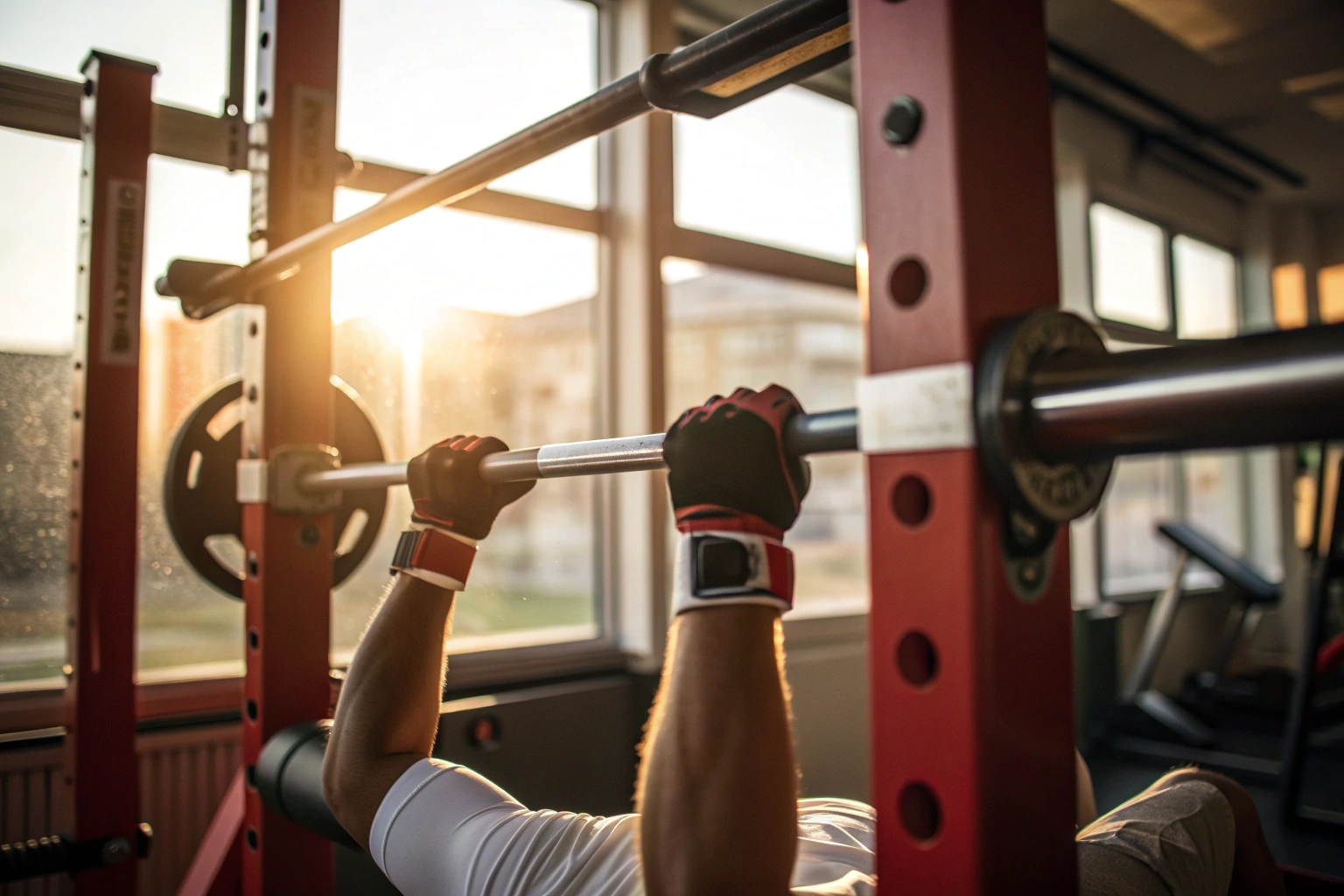
2. Squat Racks and Power Racks
Squats are often called the king of leg exercises, and squat racks provide a safe and effective way to perform heavy-weight squats. These racks allow you to lift weights with proper form and reduce the risk of injury. They also enable variations like front squats and overhead squats, which engage different leg and core muscles.
3. Leg Curl and Leg Extension Machines
For targeted isolation of the hamstrings and quadriceps, leg curl and leg extension machines are excellent choices. These machines help strengthen specific muscles that support knee stability and improve overall leg function. They’re especially helpful in rehabilitation settings or for athletes focusing on muscle imbalances.
4. Resistance Bands and Ankle Weights
Portable and versatile, resistance bands and ankle weights are perfect for home workouts and those seeking to add extra resistance during bodyweight exercises. They help improve muscle endurance, flexibility, and strength. Resistance bands come in various tension levels, allowing gradual progress as you get stronger.
5. Step Platforms and Plyometric Boxes
Step platforms and plyometric boxes are designed for dynamic exercises like step-ups, box jumps, and lateral hops. These tools enhance explosive power, agility, and cardiovascular fitness while targeting the legs. They’re especially popular among athletes and fitness enthusiasts aiming for functional and high-intensity training.
Choosing the Right Equipment for Your Goals
When selecting leg exercise equipment, consider your fitness level, workout space, and specific goals. Beginners may benefit from machines that guide movement patterns and reduce injury risk, whereas advanced users might focus on free weights and functional equipment to challenge balance and coordination.
Additionally, mixing different types of equipment can provide a more comprehensive leg workout. For example, combining leg presses for strength, resistance bands for endurance, and plyometric boxes for power can yield balanced and effective results.
Tips for Maximizing Leg Workouts with Equipment
- Warm up properly: Engage in light cardio and dynamic stretches to prepare your muscles and joints.
- Focus on form: Proper technique is crucial to prevent injury and target muscles effectively.
- Progress gradually: Increase weight or resistance steadily to build strength without overloading.
- Incorporate variety: Use different equipment and exercises to avoid plateaus and maintain motivation.
- Allow recovery: Rest between workouts to enable muscle repair and growth.
Conclusion
Investing in quality leg exercise equipment can transform your fitness routine and lead to stronger, healthier legs. Whether you prefer the controlled motion of machines, the versatility of resistance bands, or the challenge of free weights and plyometric tools, there’s an option suited to your needs. For a detailed breakdown of the best leg exercise equipment and how to use them effectively, be sure to visit the in-depth resource on leg exercise equipment.
Leave a Reply