The Science Behind Compression Sleeves and Achilles Tendonitis Recovery
Achilles tendonitis is a common and often painful condition that affects athletes and active individuals alike. It results from inflammation or irritation of the Achilles tendon, the largest tendon in the body connecting the calf muscles to the heel bone. Managing this condition effectively is crucial for a speedy recovery and preventing further injury. One increasingly popular aid in treatment is the compression sleeve for Achilles tendonitis. But what does science say about their effectiveness? For insights into why Sleeve Stars trusts this compression sleeve for achilles tendonitis, it’s important to explore how these sleeves work on a physiological level.
How Compression Sleeves Work
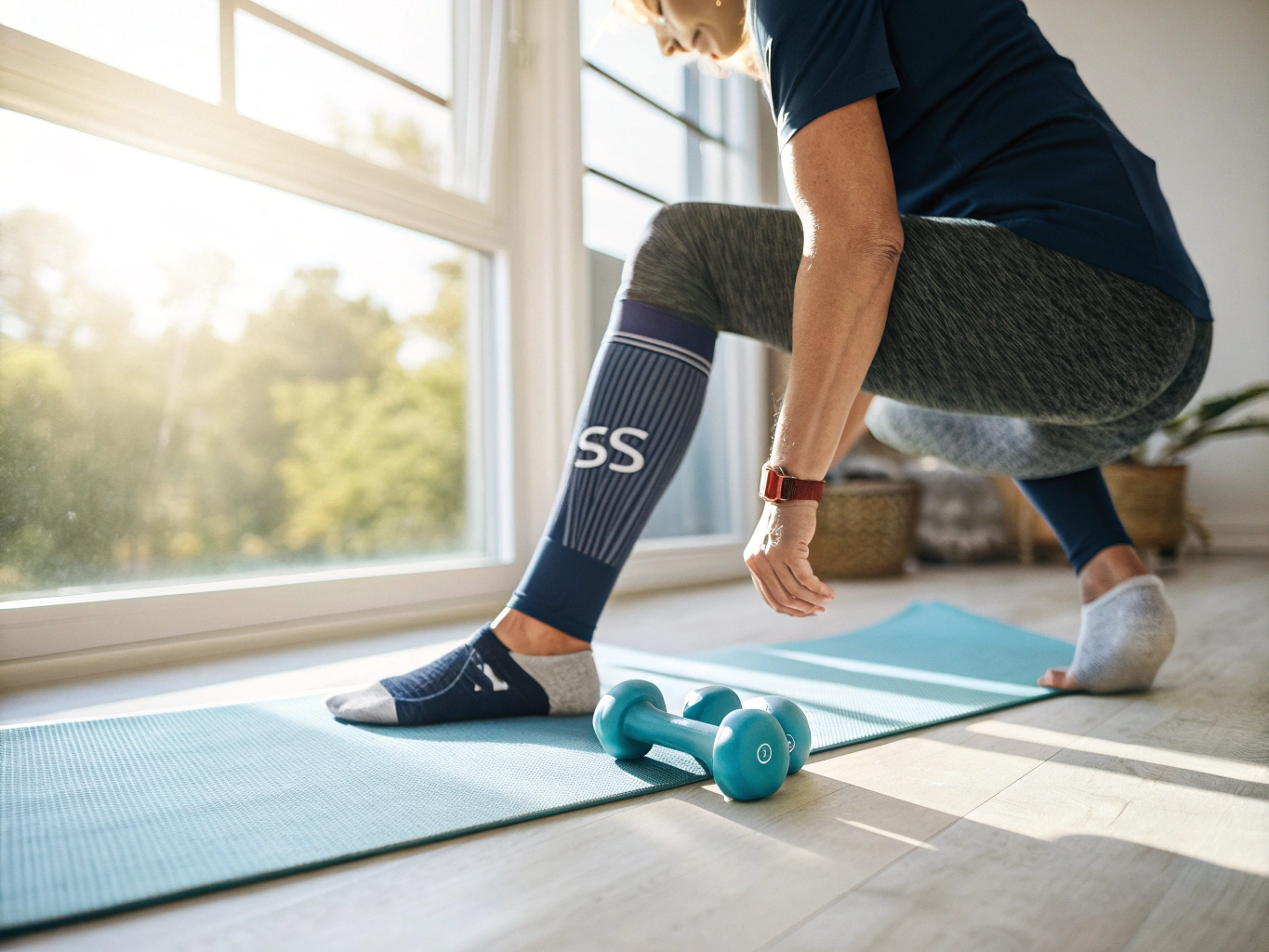
Compression sleeves apply graduated pressure around the ankle and lower leg, which supports the Achilles tendon and surrounding tissues. This pressure is not uniform; it is typically tighter at the distal end near the foot and gradually loosens higher up the leg. This gradient compression helps improve venous return — the process by which blood is pushed back toward the heart — which in turn enhances circulation in the affected area.
Enhanced Blood Flow and Healing
Improved circulation is a cornerstone of tendonitis recovery. When blood flow increases, more oxygen and nutrients are delivered to the damaged tendon, speeding up tissue repair. Additionally, better circulation helps to reduce swelling and inflammation by facilitating the removal of metabolic waste products and excess fluid from the injured site. This physiological response is crucial because inflammation and edema are primary contributors to pain and limited mobility in Achilles tendonitis.
Support and Stability
Besides improving circulation, compression sleeves provide mechanical support to the Achilles tendon. By stabilizing the tendon and limiting excessive movement, they help prevent micro-traumas that can aggravate the injury. This support encourages proper tendon alignment during walking or running, reducing strain and allowing the tendon to heal more effectively. Moreover, the slight warmth generated by compression wear can increase tissue elasticity, further aiding recovery.
The Scientific Evidence Behind Compression Sleeves
Research on compression sleeves and their benefits for musculoskeletal injuries has grown in recent years. Studies suggest that wearing compression garments can reduce muscle soreness and improve recovery times post-exercise. Specific to Achilles tendonitis, compression sleeves have been shown to decrease pain and improve functional outcomes when used as part of a comprehensive rehabilitation program that includes rest, stretching, and strengthening exercises.
While compression sleeves are not a standalone cure, their role as a supportive therapy is well-recognized. They work synergistically with other treatment modalities to create an optimal healing environment. This multi-faceted approach helps patients return to their activities with less discomfort and a lower risk of recurrence.
Choosing the Right Compression Sleeve for Achilles Tendonitis
Not all compression sleeves are created equal. When selecting one, it’s important to consider the level of compression, material quality, and fit to ensure both comfort and effectiveness. A sleeve that is too tight may restrict blood flow, while one that is too loose won’t provide adequate support. Breathable, moisture-wicking fabrics enhance comfort, especially for extended wear.
For those looking for trusted options, understanding why Sleeve Stars trusts this compression sleeve for achilles tendonitis can guide you toward products designed with both science and user experience in mind.
Conclusion
Compression sleeves offer a scientifically backed approach to aid Achilles tendonitis recovery by enhancing blood flow, reducing inflammation, and providing crucial tendon support. When combined with traditional treatment methods, they can significantly improve healing outcomes and reduce discomfort. Selecting the right compression sleeve tailored to your needs can make a meaningful difference on the road to recovery.
Leave a Reply