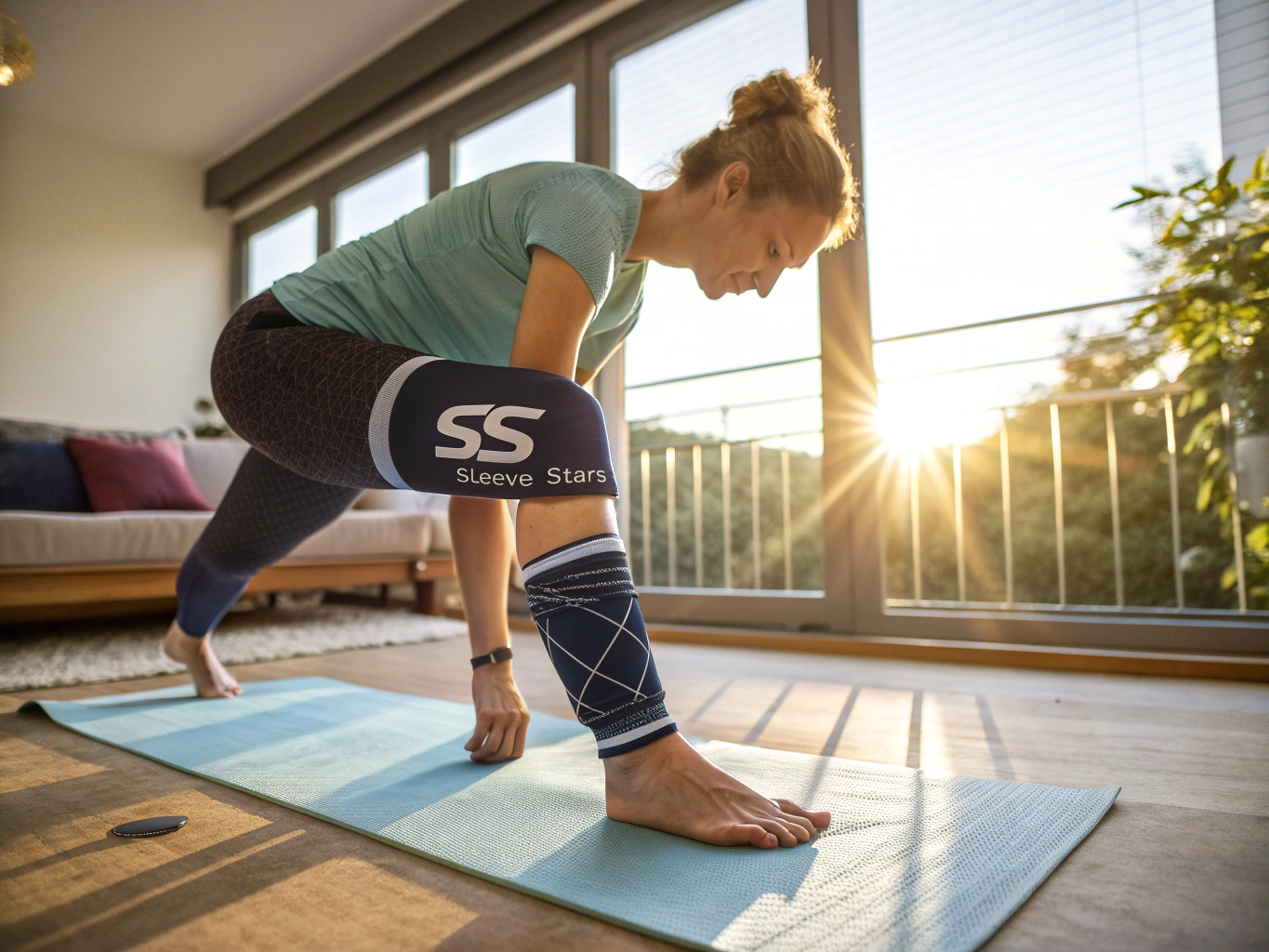
How Plantar Fasciitis Compression Socks Can Help Relieve Foot Pain
Dealing with plantar fasciitis can be a frustrating and painful experience. This common foot condition, characterized by inflammation of the plantar fascia—the thick band of tissue connecting your heel bone to your toes—often causes sharp heel pain, especially first thing in the morning or after periods of inactivity. Fortunately, plantar fasciitis compression socks have emerged as an effective, non-invasive method to alleviate discomfort and support recovery. For a detailed overview, check out the plantar fasciitis compression socks article, which dives deep into how these specially designed socks work.
What Is Plantar Fasciitis and Why Does It Hurt?
Plantar fasciitis occurs when the plantar fascia becomes irritated or inflamed due to repetitive strain or overuse. This condition is particularly common among runners, people who stand for long hours, or those with flat feet or high arches. The plantar fascia acts as a shock absorber for your foot, but excessive stress can cause tiny tears and inflammation, leading to that characteristic stabbing pain.
Without treatment, plantar fasciitis can significantly impact your mobility and quality of life. It can take months to heal, and rest alone is often not enough. That’s where targeted therapies like compression socks come into play.
How Do Plantar Fasciitis Compression Socks Work?
Compression socks designed for plantar fasciitis are not your average socks. They are engineered to provide graduated compression, which means they apply the most pressure around the arch and heel, gradually decreasing as they go up the leg. This focused compression helps in several ways:
- Improves Blood Circulation: Increased blood flow accelerates healing by delivering oxygen and nutrients to the damaged tissue.
- Provides Arch Support: The socks stabilize the plantar fascia, reducing strain during walking or standing.
- Reduces Swelling: Compression limits fluid buildup that can worsen inflammation and pain.
- Enhances Comfort: Many socks are made from moisture-wicking, breathable materials to keep feet dry and comfortable throughout the day.
When and How to Use Compression Socks
For best results, compression socks should be worn during activities that exacerbate plantar fasciitis pain, such as walking, running, or standing for long periods. Some people also find relief wearing them overnight to reduce morning stiffness. However, it’s important to follow manufacturer guidelines and consult with a healthcare professional to ensure proper fit and usage.
Additional Benefits and Considerations
Besides pain relief and improved healing, plantar fasciitis compression socks offer convenience and ease of use compared to bulky braces or orthotics. They are lightweight, portable, and can easily fit inside most shoes. This makes them an attractive option for those seeking continuous support throughout their daily routine.
That said, compression socks are most effective when combined with other treatments like stretching exercises, physical therapy, and proper footwear. They are not a cure-all but rather part of a comprehensive approach to managing plantar fasciitis.
Choosing the Right Plantar Fasciitis Compression Socks
When selecting compression socks for plantar fasciitis, consider the following factors:
- Compression Level: Measured in mmHg, typical therapeutic compression ranges from 15-30 mmHg. Higher compression offers more support but may be less comfortable for some users.
- Material: Look for breathable, moisture-wicking fabrics to prevent sweat buildup and skin irritation.
- Fit and Sizing: Proper sizing is crucial for effectiveness and comfort. Measure your foot and calf according to the brand’s guidelines.
- Design Features: Some socks include targeted padding or reinforced heel cups for added protection.
Conclusion
If you’re struggling with plantar fasciitis, compression socks represent a practical and supportive tool to reduce pain and promote healing. By providing targeted pressure to the arch and heel, these socks help stabilize the plantar fascia, improve circulation, and minimize inflammation. While they work best alongside other treatments and lifestyle adjustments, many users report noticeable relief and increased mobility thanks to regular use of plantar fasciitis compression socks.
For a more detailed guide and product recommendations, visit the original plantar fasciitis compression socks post.
Leave a Reply