The Olympic Barbell: A Timeless Tool for Strength Training
The Olympic barbell is an iconic piece of equipment that has shaped the world of weightlifting and strength training for decades. Whether you’re a seasoned athlete or just starting your fitness journey, understanding the design, function, and benefits of the olympic barbell can elevate your workouts and help you achieve your goals more effectively. This article explores the fundamental aspects of the Olympic barbell and why it remains a staple in gyms worldwide.
What Makes the Olympic Barbell Unique?
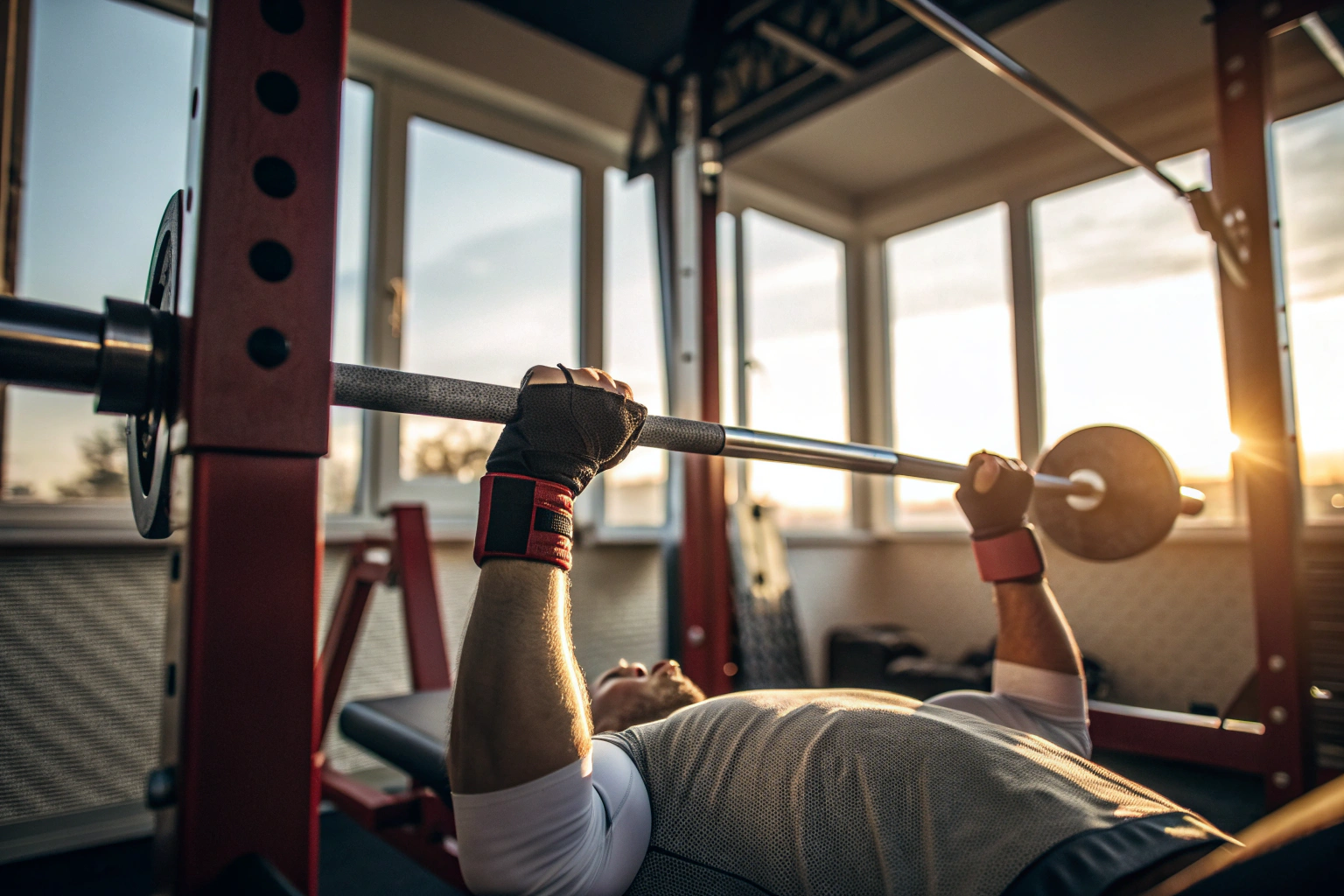
The Olympic barbell stands apart from standard barbells due to its precise specifications and engineering. Typically, an Olympic barbell measures 7.2 feet (2.2 meters) in length and weighs 20 kilograms (44 pounds) for men’s bars, with slightly lighter versions available for women and youth athletes. What truly distinguishes this barbell is its rotating sleeves, which allow the weight plates to spin independently from the bar. This rotation reduces the torque on the lifter’s wrists and elbows, enabling smoother, safer lifts—especially during dynamic movements like the snatch and clean and jerk.
The design also includes knurling (textured grip areas) at specific points to enhance grip and control, as well as center knurling on men’s bars to aid in positioning during squats. These features contribute to the barbell’s versatility, making it suitable for a wide range of lifts, from powerlifting to Olympic weightlifting and general strength training.
Durability and Materials
Olympic barbells are crafted from high-quality steel, often with tensile strengths exceeding 190,000 PSI, ensuring they can withstand heavy loads and repeated use without bending or breaking. The finish of the barbell—such as chrome, zinc, or black oxide—protects it from corrosion and enhances longevity. Additionally, the sleeves are commonly fitted with needle bearings or bushings to facilitate smooth rotation, further protecting the lifter and the equipment.
Why Choose an Olympic Barbell?
For anyone serious about strength training, investing in an Olympic barbell offers several advantages. The standardized dimensions and weight allow athletes to train with equipment consistent with competitive standards, preparing them for meets or personal records. Additionally, the rotating sleeves reduce the risk of injury by minimizing stress on joints, which is especially important when performing explosive Olympic lifts.
Beyond performance, the barbell’s robust build ensures it will endure years of rigorous training, providing excellent value over time. Its versatility also means it can be used for a variety of exercises, including deadlifts, squats, presses, and rows, making it a cornerstone of any home or commercial gym setup.
Incorporating the Olympic Barbell into Your Routine
Using the Olympic barbell effectively requires mastering proper technique and gradually increasing weight to avoid injury. Beginners should start with lighter weights to perfect their form, perhaps under the guidance of a coach or trainer. As strength and confidence build, progressive overload—incrementally adding more weight—can lead to significant gains.
Additionally, combining Olympic lifts with accessory movements can enhance overall athleticism, power, and muscle development. Because the barbell supports a wide range of exercises, it can be adapted to suit various training goals, whether that’s building muscle, increasing explosive power, or improving endurance.
Final Thoughts
The Olympic barbell is more than just a piece of gym equipment; it’s a symbol of strength, discipline, and progress. Its carefully engineered design provides lifters with the tools they need to perform at their best while minimizing injury risk. Whether you’re training for competition or personal fitness, incorporating an Olympic barbell into your routine can unlock new levels of performance and achievement.
For a deeper dive into the specifics of the Olympic barbell, including its history and technical details, be sure to visit the original article on Riptoned’s blog.
Leave a Reply