Understanding Knee Support Types: A Guide for Optimal Joint Care
Knee pain and instability can significantly impact daily activities, athletic performance, and overall quality of life. Whether recovering from an injury, managing chronic conditions like arthritis, or seeking preventative support, selecting the right knee support is crucial. For a detailed overview, you can explore the various knee support types available today. This article breaks down the essential categories of knee supports to help you make an informed choice tailored to your needs.
Why Use Knee Support?
Knee supports serve multiple purposes, including providing stability, reducing pain, preventing injury, and aiding in rehabilitation. They help by limiting excessive movement, distributing pressure, and offering compression to enhance blood flow and reduce swelling. Choosing the correct type depends on the severity of your condition, activity level, and the specific support required.
Common Types of Knee Supports
1. Knee Sleeves
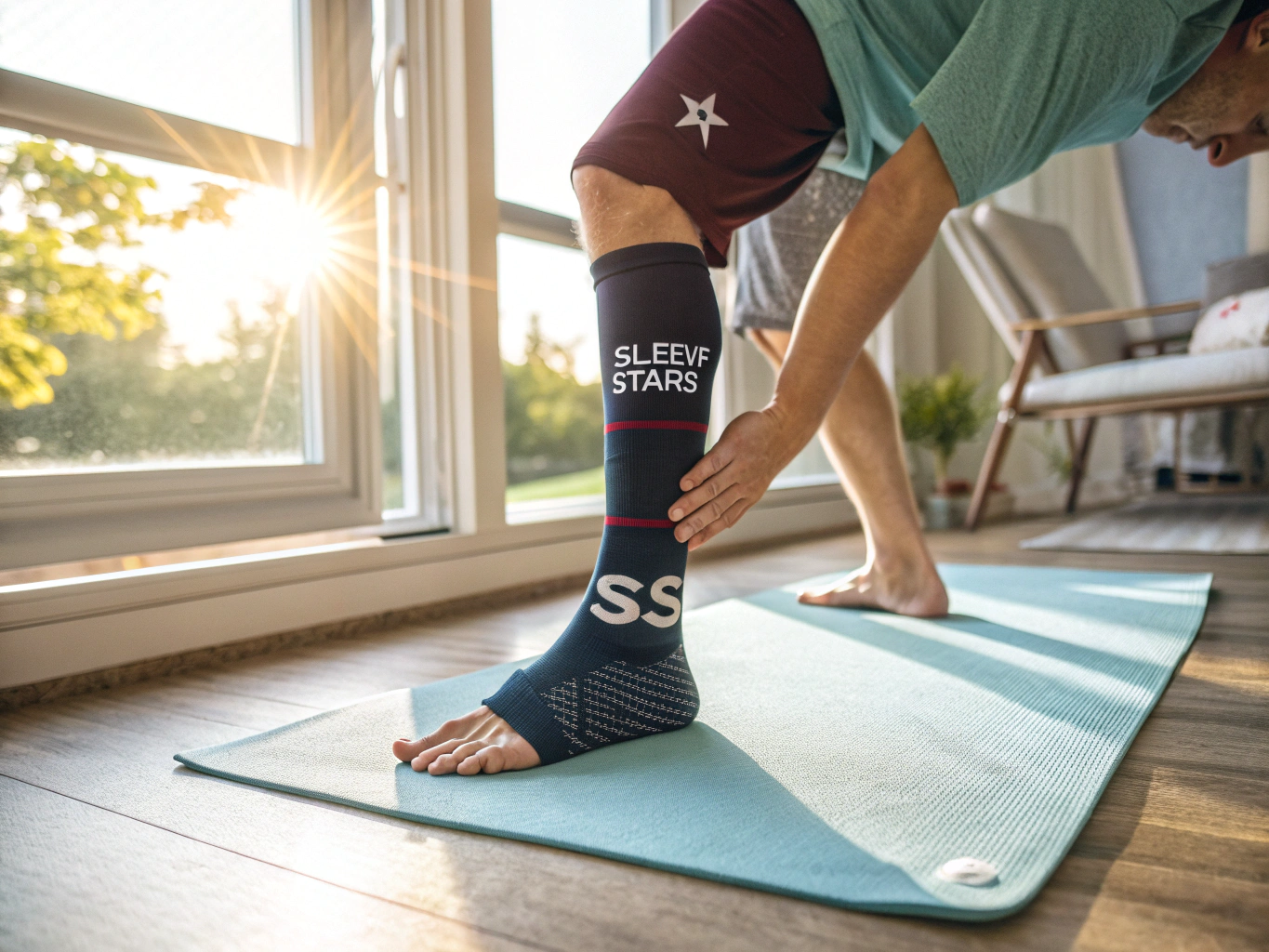
Knee sleeves are typically made from neoprene or similar elastic materials that provide compression and mild support. They are designed to fit snugly around the knee joint, improving blood circulation and reducing pain from minor strains or arthritis. These sleeves are lightweight, flexible, and suitable for everyday wear or light exercise.
Ideal for someone looking for pain relief or mild support, knee sleeves are often used to alleviate swelling and stiffness. However, they do not provide significant structural support and are not recommended for severe injuries.
2. Knee Braces
Knee braces offer more substantial stabilization compared to sleeves. They often incorporate rigid or semi-rigid components such as metal or plastic stays to limit joint movement and protect against ligament injuries. Braces are common in post-surgical recovery or when managing ligament tears like ACL or MCL injuries.
There are several types of knee braces:
- Prophylactic braces: Designed to prevent injury during high-impact sports.
- Functional braces: Provide support for knees with existing ligament injuries.
- Rehabilitative braces: Used after surgery to restrict movement and promote healing.
Choosing the right brace requires understanding your specific condition and consulting with a healthcare professional.
3. Patella Straps and Bands
Patella straps and bands target pain related to the kneecap (patella), such as patellar tendinitis or runner’s knee. These devices apply pressure just below the kneecap to reduce strain on the tendon and improve tracking during movement. They are minimalistic and easy to wear during physical activities.
While they don’t provide comprehensive knee support, patella straps are effective for addressing targeted pain and preventing further irritation.
4. Wraps and Compression Bandages
Wraps and compression bandages offer adjustable support and are often used immediately after injury to control swelling and provide gentle stabilization. They can be tightened or loosened as needed, making them versatile for acute injuries or during rehabilitation. However, they require proper application to avoid cutting off circulation or providing uneven pressure.
Choosing the Right Knee Support
Understanding the level of support you need is key to selecting the best knee support. Mild discomfort or arthritis may only require a simple sleeve, while ligament injuries often necessitate a more rigid brace. If you’re active in sports, prophylactic braces or sleeves designed for athletic use might be best suited to your lifestyle.
Always consider factors like comfort, breathability, fit, and the specific movements you will perform while wearing the support. Consulting with a medical professional can help identify the most appropriate option and ensure proper usage.
Conclusion
Knee supports come in various forms, each designed to address specific needs—from mild compression and pain relief to rigid stabilization for injuries. Whether you are recovering from surgery, managing chronic knee pain, or aiming to prevent injuries during physical activities, understanding the different knee support types can guide you toward the most effective solution. Always prioritize comfort and function, and seek professional advice to optimize your knee health and mobility.
Leave a Reply