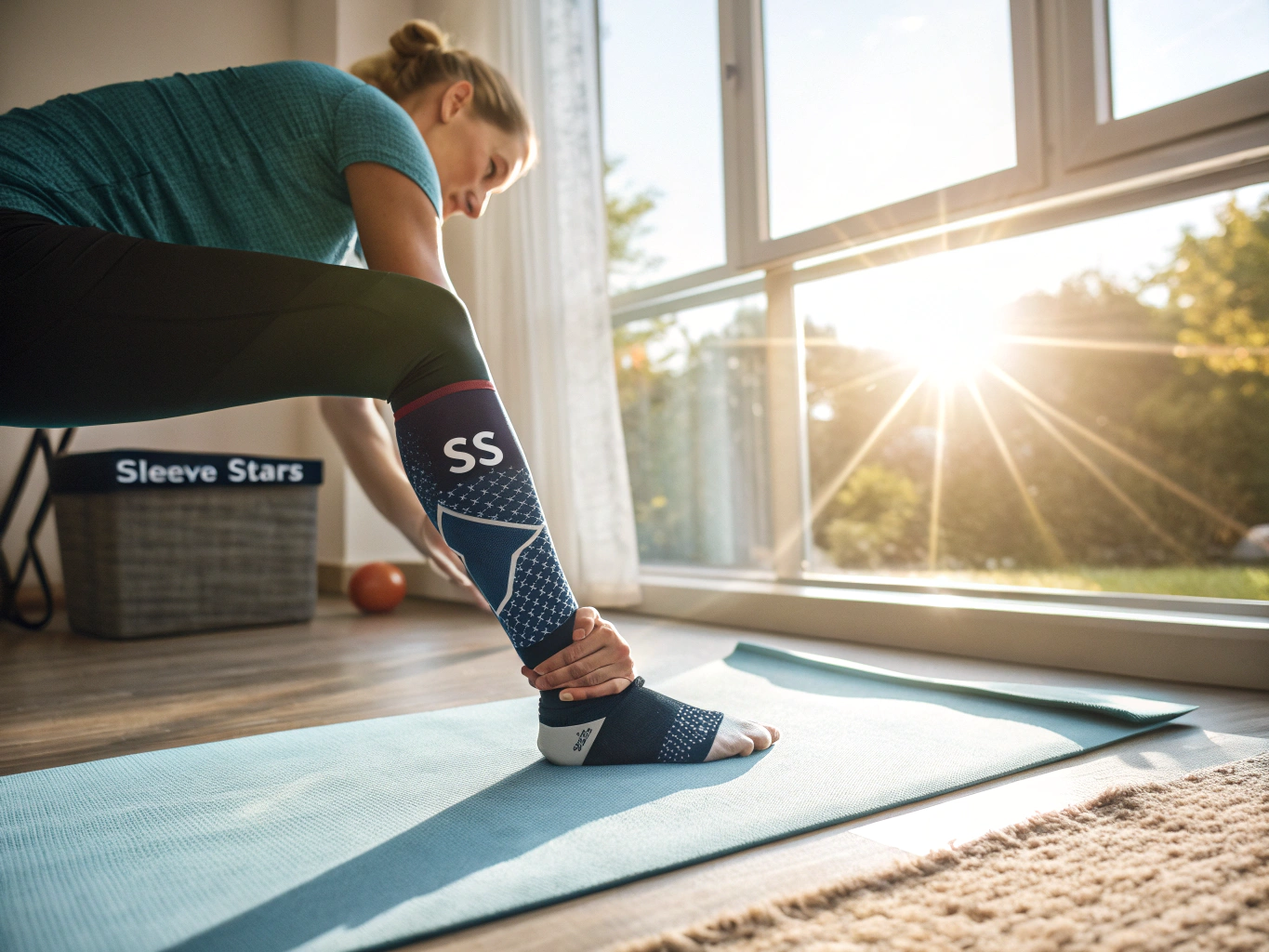
Knee Braces or Supports: What You Need to Know
Knee pain can be a significant hurdle, whether you’re an athlete, recovering from an injury, or simply dealing with everyday wear and tear. Understanding the role of knee braces or supports can make a real difference in managing discomfort and improving mobility. For a detailed breakdown, you can check out this insightful article on knee braces or supports.
What Are Knee Braces and Supports?
Knee braces and supports are specialized devices designed to stabilize, protect, and relieve stress from the knee joint. They come in various types, each catering to different needs ranging from minor discomfort to serious injuries. While they are often used in sports or post-surgery recovery, many people find them helpful for chronic conditions like arthritis or ligament instability.
Types of Knee Braces
- Prophylactic Braces: These are preventative braces designed to protect the knee from injury during high-risk activities, especially in contact sports.
- Functional Braces: Used by those who have already experienced knee injuries, functional braces provide additional support to ligaments and help prevent further damage.
- Rehabilitative Braces: Designed for post-surgery or injury recovery, these braces limit harmful knee movements while still allowing safe mobility.
- Unloader/Offloader Braces: Often prescribed for arthritis sufferers, these braces reduce pressure on the affected side of the knee to alleviate pain.
How Do Knee Supports Differ?
Unlike braces which often offer rigid support, knee supports usually provide compression and mild stabilization. They’re typically made from elastic materials and are designed to improve circulation, reduce swelling, and offer comfort during everyday activities or light exercise. Knee supports are ideal for minor aches or preventative use, while braces tend to be more specialized and structured.
When Should You Use a Knee Brace or Support?
Determining whether you need a brace or a support depends on the severity and type of your knee issue. Mild discomfort, occasional instability, or swelling might only require a supportive sleeve. However, if you’ve sustained an injury like a ligament tear, meniscus damage, or are recovering from surgery, a more rigid brace could be necessary to protect the knee during healing.
Common Situations for Use
- Sports Injuries: Knee braces can protect against further damage after sprains, strains, or ligament injuries.
- Chronic Conditions: Arthritis or tendonitis sufferers often benefit from offloader braces or compression supports to manage pain.
- Post-Surgery: Rehabilitative braces ensure controlled movement to aid recovery and prevent re-injury.
- Prevention: Athletes or active individuals may wear prophylactic braces to reduce injury risk.
Choosing the Right Knee Brace or Support
Finding the perfect fit is crucial. A knee device that’s too tight can restrict blood flow, while one that’s too loose won’t provide adequate support. Consider the following when choosing:
- Purpose: Identify if you need support for prevention, injury recovery, or chronic condition management.
- Fit and Comfort: Look for adjustable braces or supports that conform to your knee’s shape without causing discomfort.
- Material: Breathable, lightweight fabrics improve comfort during extended wear.
- Mobility: Ensure the brace allows for necessary movement without compromising stability.
Consult a Professional
Before purchasing a knee brace or support, it’s wise to consult a healthcare professional. They can accurately diagnose your condition and recommend the most suitable device. Proper guidance minimizes the risk of aggravating your injury and ensures you get the most benefit from your knee support.
Conclusion
Knee braces and supports play a significant role in injury prevention, pain relief, and rehabilitation. Whether you’re an athlete looking to prevent injury, recovering from surgery, or managing a chronic condition, the right knee device can enhance your quality of life. For a deeper dive into the different types and uses of knee braces, don’t forget to visit the original article on knee braces or supports.
Remember, taking care of your knees today can help keep you moving freely tomorrow!
Leave a Reply