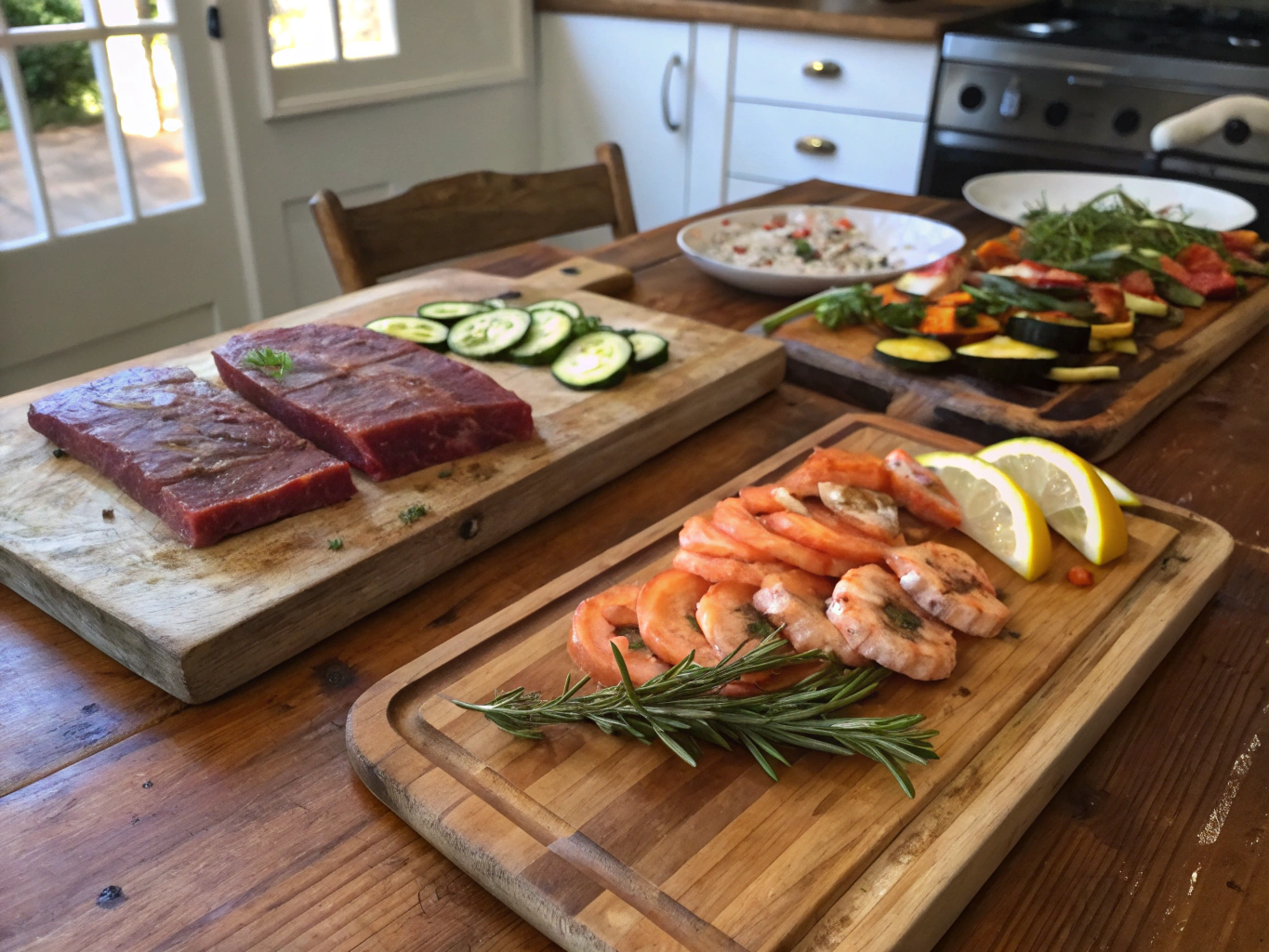
How Cooking Times Vary for Meat, Vegetarian, and Seafood Lasagnas
Lasagna is a beloved dish that comes in many delicious varieties—meat, vegetarian, and seafood versions each bring their own unique flavors and textures to the table. But one key factor to perfecting your lasagna is understanding how cooking times vary depending on the type of filling you use. Whether you’re layering rich meat sauces, hearty vegetables, or delicate seafood, knowing DI ORO how long cook lasagna at 375°F can help you achieve an evenly cooked, bubbling masterpiece every time.
Meat Lasagna: Hearty and Robust
Traditional meat lasagnas often use ground beef, pork, or a combination cooked into a rich tomato sauce. Because the meat sauce is usually simmered beforehand, the primary goal during baking is to meld flavors and cook the pasta layers through. Typically, meat lasagna requires about 45 minutes to 1 hour at 375°F. The top should be golden brown and bubbling, with the internal temperature reaching at least 160°F for food safety.
Covering the lasagna with foil during the first part of baking helps retain moisture and prevents the top from burning. Removing the foil during the last 10-15 minutes encourages browning and a slight crisp on the cheese layer. The density of the meat sauce means these lasagnas often take the longest to cook thoroughly compared to their vegetarian or seafood counterparts.
Vegetarian Lasagna: Light and Fresh
Vegetarian lasagnas feature an array of vegetables like spinach, zucchini, mushrooms, and bell peppers, often paired with ricotta or béchamel sauce. Because vegetables release moisture as they cook, the lasagna can sometimes be more watery, which affects cooking times.
Vegetarian lasagnas usually require a slightly shorter bake time—about 35 to 45 minutes at 375°F. Covering with foil initially is still recommended to trap steam and ensure the noodles soften properly. Removing the foil near the end helps the cheese brown without drying out the vegetables. Since vegetables cook faster than meat, keep an eye on the lasagna to prevent overcooking or sogginess, especially if you pre-cook or sauté your veggies before assembling.
Tips for Moisture Control in Vegetarian Lasagnas
- Squeeze excess water from leafy greens before layering.
- Use thicker sauces or add breadcrumbs to absorb moisture.
- Consider baking uncovered during the last 10 minutes to evaporate excess liquid.
Seafood Lasagna: Delicate and Flavorful
Seafood lasagnas often combine ingredients like shrimp, crab, scallops, or white fish with creamy sauces such as Alfredo or a light tomato base. Because seafood cooks quickly and can become rubbery if overdone, the baking time is generally shorter than meat or vegetarian versions.
Expect seafood lasagnas to bake for about 30 to 40 minutes at 375°F. Many recipes recommend partially cooking the seafood before layering, which further reduces baking time. Covering the dish during baking helps protect the delicate seafood from drying out, while removing the cover during the last 5-10 minutes promotes a golden top without overcooking the seafood inside.
Key Considerations for Seafood Lasagna
- Use fresh, high-quality seafood for best results.
- Avoid overbaking to maintain tender texture.
- Monitor closely during the final minutes of cooking.
Final Thoughts on How Long to Cook Lasagna
Understanding the differences in cooking times for meat, vegetarian, and seafood lasagnas is essential to crafting a perfectly baked dish. Each type requires adjustments in timing and technique to ensure the pasta is tender, the filling is cooked properly, and the top is deliciously browned. For more detailed guidance on baking times and temperatures, visit DI ORO how long cook lasagna.
Whether you choose a classic meat lasagna, a veggie-packed version, or a luxurious seafood option, tailoring your cooking time ensures every bite is a delight. Happy baking!
Leave a Reply