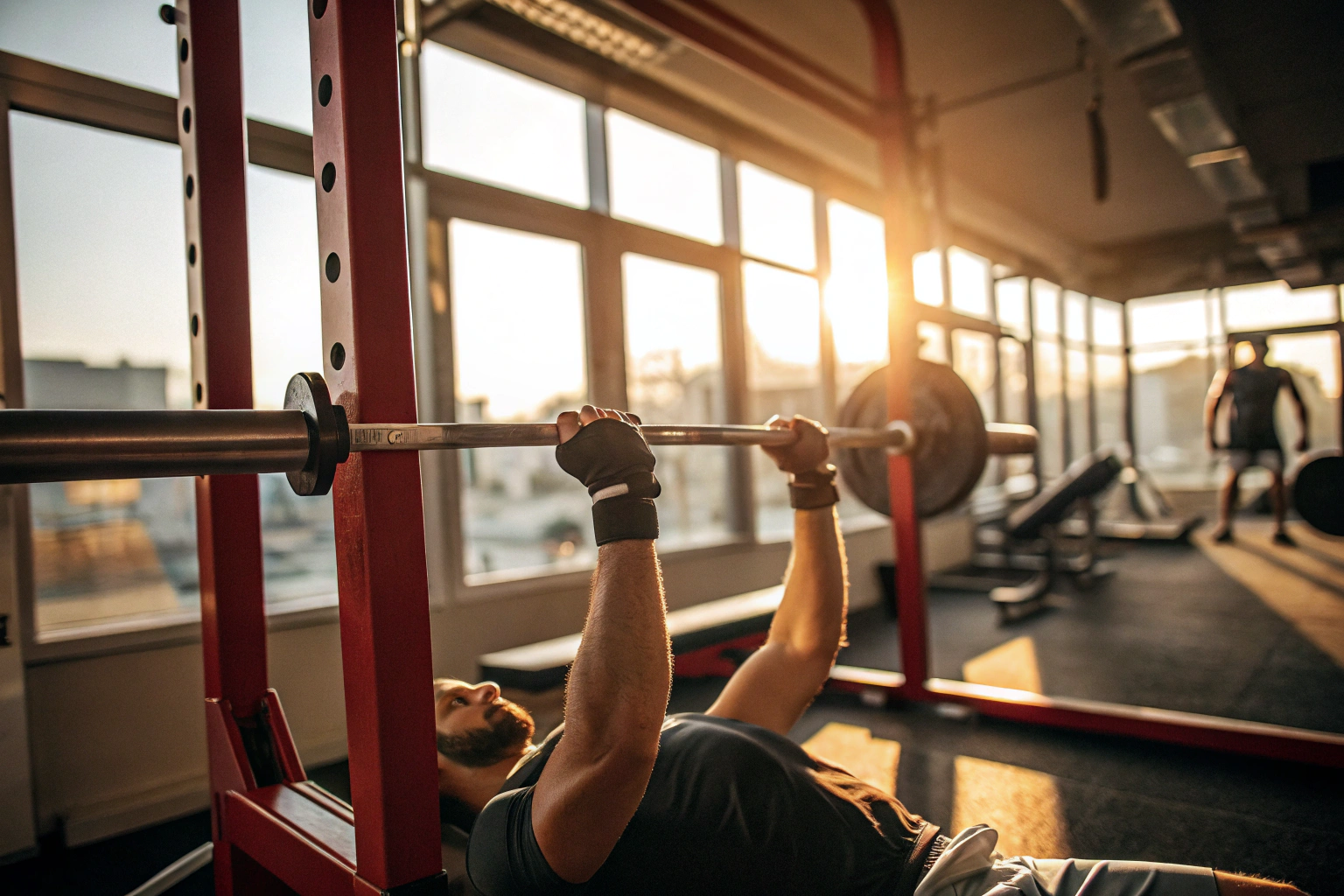
Understanding the Importance of Grips for Hands
When it comes to performing physical tasks, whether it’s weightlifting, climbing, or even everyday activities, the strength and health of your grip play a crucial role. A solid grip not only enhances performance but also protects your hands from injury and fatigue. For those interested in learning more about techniques and tools designed to improve hand strength, the grips for hands guide offers valuable insights into how grip mechanics work and how you can train them effectively.
Why Grip Strength Matters
Grip strength is often overlooked in general fitness routines, yet it is essential for a wide range of activities. From holding a leash for your dog to lifting heavy objects or even typing on a keyboard, the ability to maintain a firm grasp influences both your capability and comfort. Enhanced grip strength aids in reducing the risk of accidents caused by slipping and improves overall hand dexterity, which is beneficial for both athletic performance and day-to-day tasks.
Types of Grip
To fully understand grip, it’s important to recognize that there isn’t just one kind. The primary types of grip include:
- Crush Grip: This is the most common type, where the fingers and palm squeeze an object tightly, like holding a tennis ball or shaking hands.
- Pinch Grip: This involves pinching an object between the thumb and fingers, often used when holding thin or flat objects.
- Support Grip: This grip is about holding onto something for an extended period without squeezing tightly, such as carrying a heavy bag.
- Open-Hand Grip: This requires strength with an open hand, useful in rock climbing or pulling movements.
Each type challenges different muscles and tendons in your hands and forearms, making it important to train all forms for balanced strength and endurance.
How to Improve Your Grip
Developing grip strength doesn’t require complex equipment or routines. Many exercises and tools can help you build grip power effectively:
Exercise Techniques
- Farmer’s Walk: Simply pick up heavy dumbbells or kettlebells and walk for distance or time. This builds support grip and overall hand endurance.
- Dead Hangs: Hanging from a pull-up bar with a firm grip strengthens your open-hand grip and forearms.
- Plate Pinches: Pinching weight plates together and holding them enhances the pinch grip.
- Hand Grippers: Specialized hand grippers can be squeezed repeatedly to build crush grip strength.
Using Tools for Grip Training
Beyond exercises, there are various tools designed specifically to enhance grip strength and hand health. These include:
- Grip Trainers: Devices like spring-loaded grippers offer adjustable resistance for progressive training.
- Grip Balls and Rings: Squeezing soft balls or rings can improve finger strength and flexibility.
- Finger Bands: These are used to strengthen the extensor muscles of the fingers, balancing grip strength and preventing injury.
Hand Care and Injury Prevention
Improving grip strength also involves taking care of your hands to avoid injuries such as strains, tendonitis, or carpal tunnel syndrome. Some tips for maintaining hand health include:
- Warm-Up Properly: Before any intense grip training or physical activity, warm up your hands and forearms to increase blood flow and flexibility.
- Stretching: Regularly stretch your fingers, wrists, and forearms to maintain mobility and reduce stiffness.
- Rest and Recovery: Give your hands adequate rest between intense sessions to prevent overuse injuries.
- Use Protective Gear: When necessary, use gloves or tape to protect skin and joints during strenuous tasks.
Conclusion
Your grip strength is a foundational element that impacts many aspects of your physical health and functionality. By understanding the different types of grip and incorporating targeted exercises and tools, you can enhance your hand strength, improve performance, and reduce the risk of injury. For a deeper dive into the science and practical advice surrounding grip strength, don’t miss the detailed resource available at grips for hands. Whether you’re an athlete, a dog owner, or simply want to maintain healthy, strong hands, investing time in grip training is a smart move for lasting benefits.
Leave a Reply