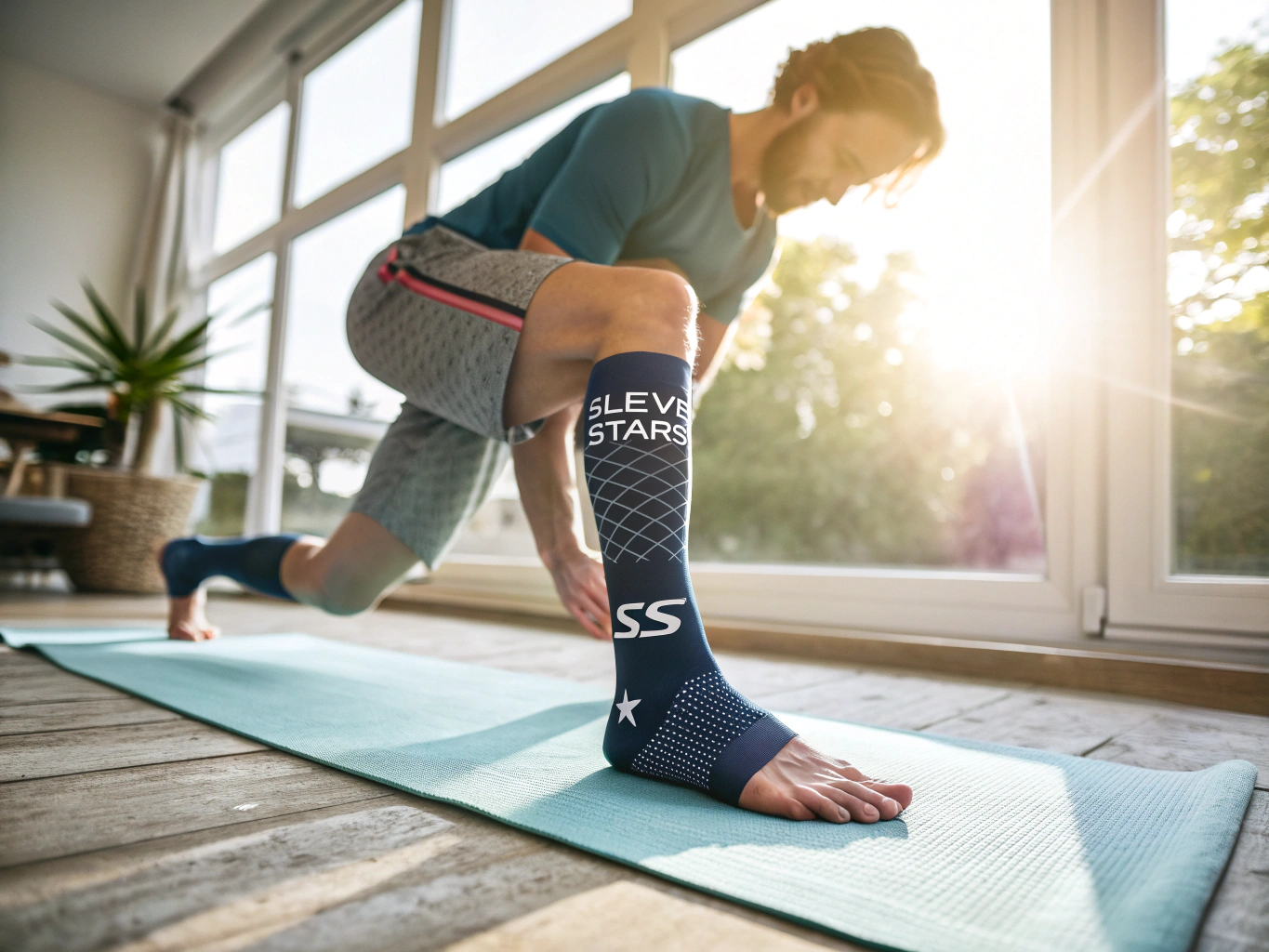
The Benefits of Compression Sleeves for Athletes
Whether you’re a seasoned athlete or just getting started with your fitness journey, understanding the role of compression gear can significantly enhance your performance and recovery. Compression sleeves for athletes have become increasingly popular for their ability to support muscles, improve circulation, and reduce injury risks. In this article, we’ll explore how these sleeves work, their benefits, and why incorporating them into your routine might be a game-changer.
What Are Compression Sleeves?
Compression sleeves are snug-fitting garments typically made from elastic materials designed to apply gentle pressure to the muscles and joints. They are commonly used on arms or legs and are designed to improve blood flow, reduce muscle vibration, and provide support during physical activity. Athletes in various sports, from running and basketball to cycling and weightlifting, use compression sleeves to enhance their overall performance.
How Compression Sleeves Work
The primary function of compression sleeves is to apply graduated pressure on the limbs, which helps facilitate better circulation. By improving blood flow, oxygen delivery to muscles is enhanced, and waste products such as lactic acid are removed more efficiently. This physiological effect supports faster muscle recovery and reduces fatigue. Additionally, compression sleeves stabilize muscles and joints, which can decrease the risk of strains, bruises, and other injuries.
Key Benefits for Athletes
1. Improved Circulation and Oxygen Delivery
Compression sleeves help in enhancing venous return—the process of blood flowing back to the heart. This improved circulation ensures that muscles receive an adequate supply of oxygen during workouts, which can boost endurance and performance. Many athletes report feeling less tired and more energized when wearing compression sleeves.
2. Reduced Muscle Soreness and Faster Recovery
Post-exercise muscle soreness is a common challenge for many athletes, especially after intense training or competition. Compression sleeves help minimize this by reducing muscle oscillation and inflammation. Studies have shown that athletes who use compression gear experience less delayed-onset muscle soreness (DOMS) and recover more quickly, allowing them to train harder and more frequently.
3. Injury Prevention and Support
The stabilization provided by compression sleeves supports joints, ligaments, and muscles. This extra support can prevent common injuries such as strains, sprains, and bruises. Whether you’re recovering from an injury or looking to avoid one, compression sleeves offer a protective layer that enhances proprioception—the body’s ability to sense movement and position—helping you move more confidently and safely.
4. Temperature Regulation
Compression sleeves also play a role in regulating temperature. They keep muscles warm during cold conditions, reducing the risk of strains, and can wick away sweat during hot weather, helping to keep the skin dry and comfortable.
Choosing the Right Compression Sleeves
When selecting compression sleeves, consider the level of compression, material, and fit. Sleeves are available in varying compression strengths, usually measured in millimeters of mercury (mmHg). For most athletes, moderate compression (15-25 mmHg) is effective for improving circulation and support without restricting movement.
Materials should be breathable and moisture-wicking to enhance comfort during prolonged use. Additionally, a proper fit is crucial—sleeves that are too tight can cause discomfort and circulation issues, while those too loose won’t provide the benefits mentioned above.
Incorporating Compression Sleeves Into Your Routine
Compression sleeves can be worn during workouts, competitions, or even afterward to aid recovery. Many athletes find them especially useful during long runs, cycling sessions, or strength training. They’re also beneficial during travel, reducing swelling and fatigue caused by prolonged sitting.
It’s important to listen to your body and consult with a healthcare professional if you have underlying health concerns, such as circulatory problems, before starting to use compression gear.
Conclusion
Compression sleeves offer a range of benefits that can help athletes improve performance, reduce injury risk, and speed up recovery. Their ability to enhance circulation, provide muscle support, and regulate temperature makes them a versatile tool for anyone engaged in physical activity. For more in-depth information and product options, check out the detailed guide on compression sleeves for athletes.
Leave a Reply