Understanding Jumper’s Knee: Causes, Symptoms, and Solutions
Jumper’s knee, medically known as patellar tendinopathy, is a common overuse injury affecting athletes and active individuals alike. It primarily impacts the tendon connecting the kneecap (patella) to the shinbone (tibia), causing pain and inflammation that can hinder daily activities and athletic performance. If you want to learn more about effective ways to support recovery and prevention, check out this comprehensive brace for jumper’s knee guide that highlights practical options for managing this condition.
What Causes Jumper’s Knee?
Jumper’s knee is typically caused by repetitive stress and strain on the patellar tendon. Activities involving frequent jumping, running, or sudden changes in direction put significant pressure on the tendon, leading to microtears and inflammation over time. While athletes in sports like basketball, volleyball, and track and field are most susceptible, anyone participating in high-impact activities can develop this condition.
Other contributing factors include poor training techniques, inadequate warm-ups, muscle imbalances, and improper footwear. Without intervention, the tendon can weaken further, increasing the risk of chronic pain and, in severe cases, tendon rupture.
Recognizing the Symptoms
Early identification of jumper’s knee is crucial for effective treatment. Common symptoms include:
- Pain and tenderness around the patellar tendon, especially just below the kneecap.
- Swelling in the affected area.
- Stiffness and discomfort during or after physical activity.
- Difficulty fully extending the knee or feeling weakness.
Symptoms often develop gradually and worsen with continued activity. Ignoring these signs can lead to a longer recovery period and may require more aggressive treatment strategies.
Effective Treatment and Prevention Strategies
Treatment for jumper’s knee typically begins with conservative approaches aimed at reducing inflammation and promoting healing. Rest and modification of activities are essential to alleviate stress on the tendon. Applying ice and using anti-inflammatory medications can help control pain and swelling.
Physical Therapy and Strengthening
Physical therapy plays a vital role in recovery by focusing on stretching and strengthening exercises that target the quadriceps, hamstrings, and calf muscles. Strengthening these muscle groups helps improve knee stability and reduces strain on the patellar tendon.
Supportive Bracing
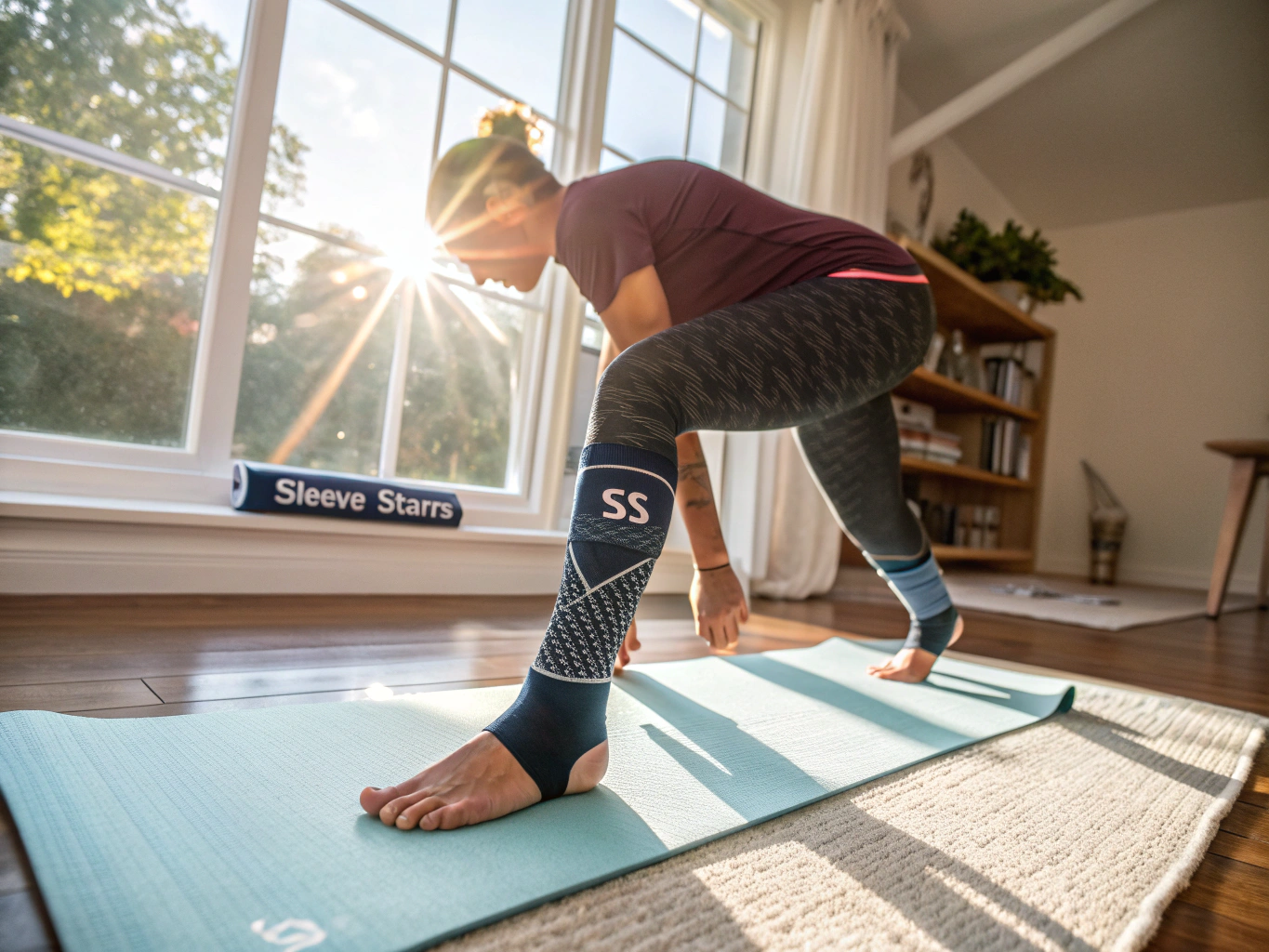
Wearing a specialized knee brace or patellar strap can provide targeted support to the tendon, helping to reduce pain during movement. These braces help distribute force more evenly across the knee joint, which can be especially beneficial during sports and exercise.
For more detailed information on the types of braces available and how to choose the right one, visit the brace for jumper’s knee resource.
Gradual Return to Activity
Once symptoms improve, a gradual return to physical activity is recommended. This process should be guided by a healthcare professional to ensure the tendon is not overloaded prematurely. Incorporating low-impact exercises like swimming or cycling can maintain cardiovascular fitness without stressing the knee.
Long-Term Outlook and Tips for Prevention
With proper management, most individuals recover fully from jumper’s knee. However, prevention is key to avoiding recurrence. Here are some tips to maintain knee health:
- Warm up thoroughly before exercise and cool down afterward.
- Incorporate strength training and flexibility exercises into your routine.
- Use appropriate footwear that provides adequate support.
- Listen to your body and avoid pushing through pain.
- Maintain a healthy weight to reduce knee joint stress.
By understanding the causes and symptoms of jumper’s knee and taking proactive steps, you can protect your knees and stay active longer. For more insights into supportive gear and treatment options, don’t forget to explore the detailed brace for jumper’s knee article.
Leave a Reply