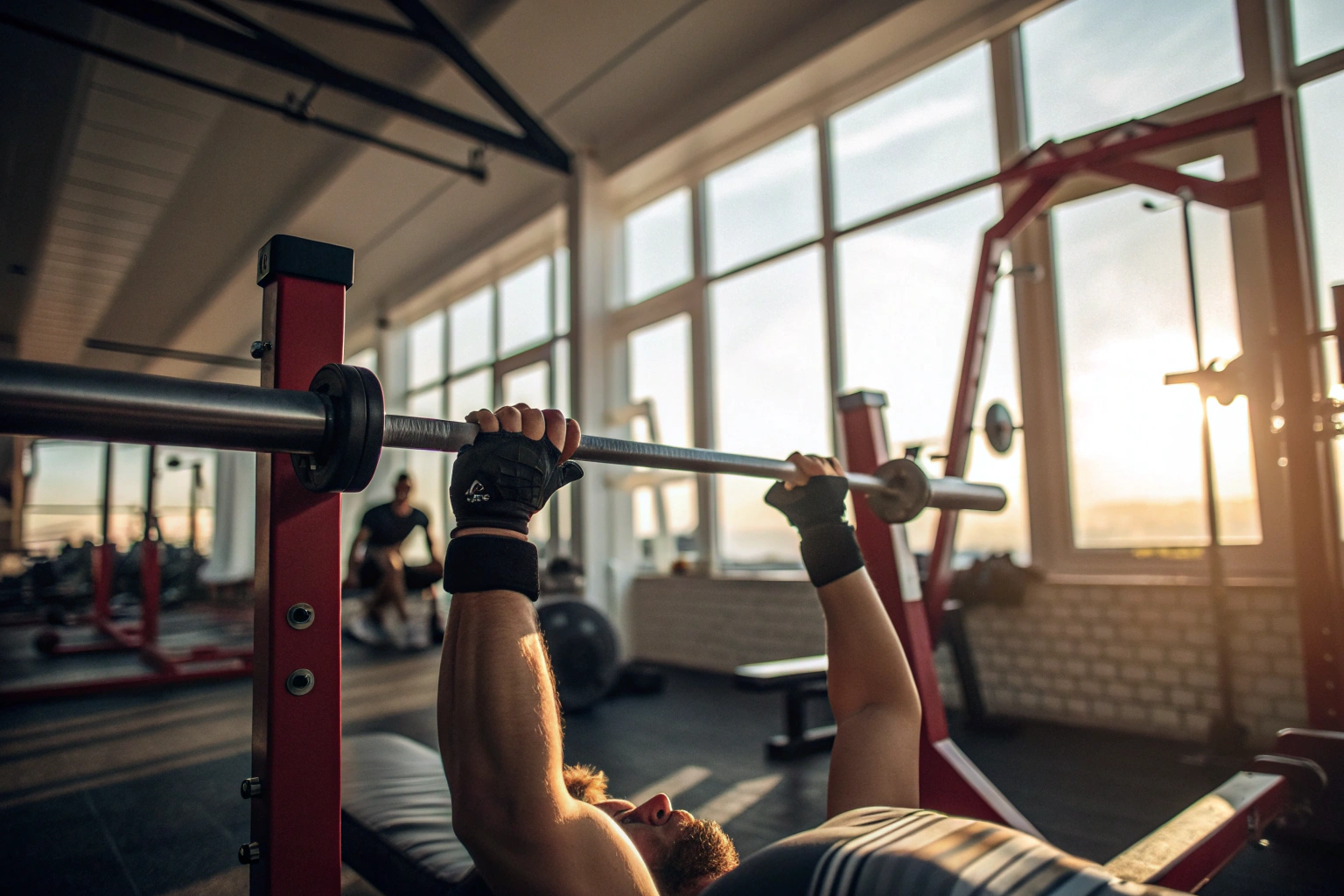
The Importance of Handgrip Strength and How It Impacts Your Daily Life
Handgrip strength is often overlooked, yet it plays a crucial role in our overall health and functionality. Whether you’re lifting groceries, playing with your dog, or engaging in physical activities, a strong grip can significantly improve your quality of life. For a deeper dive into this topic, check out handgrip and its many benefits.
Why Handgrip Strength Matters
Handgrip strength is more than just how tightly you can squeeze something. It serves as a reliable indicator of your overall muscle strength and even your health status. Studies have linked strong handgrip with lower risks of cardiovascular diseases, improved mobility, and better performance in daily tasks. For dogs, owners with strong handgrips find it easier to handle leashes and engage in active play, which bolsters the bond between pet and owner.
One surprising fact is that handgrip strength can also predict longevity. People with stronger grips tend to live longer and experience fewer physical limitations as they age. This makes it an essential focus not only for athletes but for everyone aiming to maintain their independence and vitality.
How to Improve Your Handgrip
Improving handgrip strength doesn’t require expensive equipment or hours at the gym. Simple exercises like squeezing stress balls, using hand grippers, or even carrying heavier grocery bags can make a big difference over time. For dog owners, playing tug-of-war or using interactive toys that require pulling and gripping can be both fun and functional.
Consistency is key. Incorporating grip exercises into your daily routine, even for just a few minutes, can lead to noticeable improvements. Additionally, maintaining overall arm and shoulder strength complements grip training, since many activities require coordinated muscle effort.
Handgrip and Dog Ownership
For those who have dogs, handgrip strength is particularly important. Walking an energetic dog often means managing sudden tugs or pulls. Strong hands and forearms help maintain control, ensuring safety for both the pet and owner. Beyond control, a strong grip allows for more engaging play sessions that stimulate your dog mentally and physically.
Moreover, as dogs age, their owners may need to assist with grooming, administering medication, or managing mobility aids. Stronger hands make these tasks easier and less stressful, fostering better care and a closer relationship.
Tips for Maintaining Healthy Handgrip
- Regular Exercise: Incorporate grip-specific exercises such as farmers’ carries, dead hangs from a bar, or using grip trainers.
- Stretch and Warm-Up: Always warm up your hands and wrists before heavy gripping activities to prevent injury.
- Proper Nutrition: Support muscle health with a balanced diet rich in protein, vitamins, and minerals.
- Rest and Recovery: Avoid overtraining your hands, giving them time to recover to prevent strain or injury.
- Engage in Functional Activities: Play interactive games with your dog or take on tasks that naturally build grip strength.
Conclusion
Handgrip strength is a small but mighty component of overall fitness and well-being. It impacts everything from everyday tasks to your ability to care for and enjoy time with your dog. By integrating simple grip-strengthening exercises and being mindful of your hand health, you can enhance your quality of life significantly. For more detailed insights and practical tips, don’t forget to visit the original handgrip article.
Leave a Reply