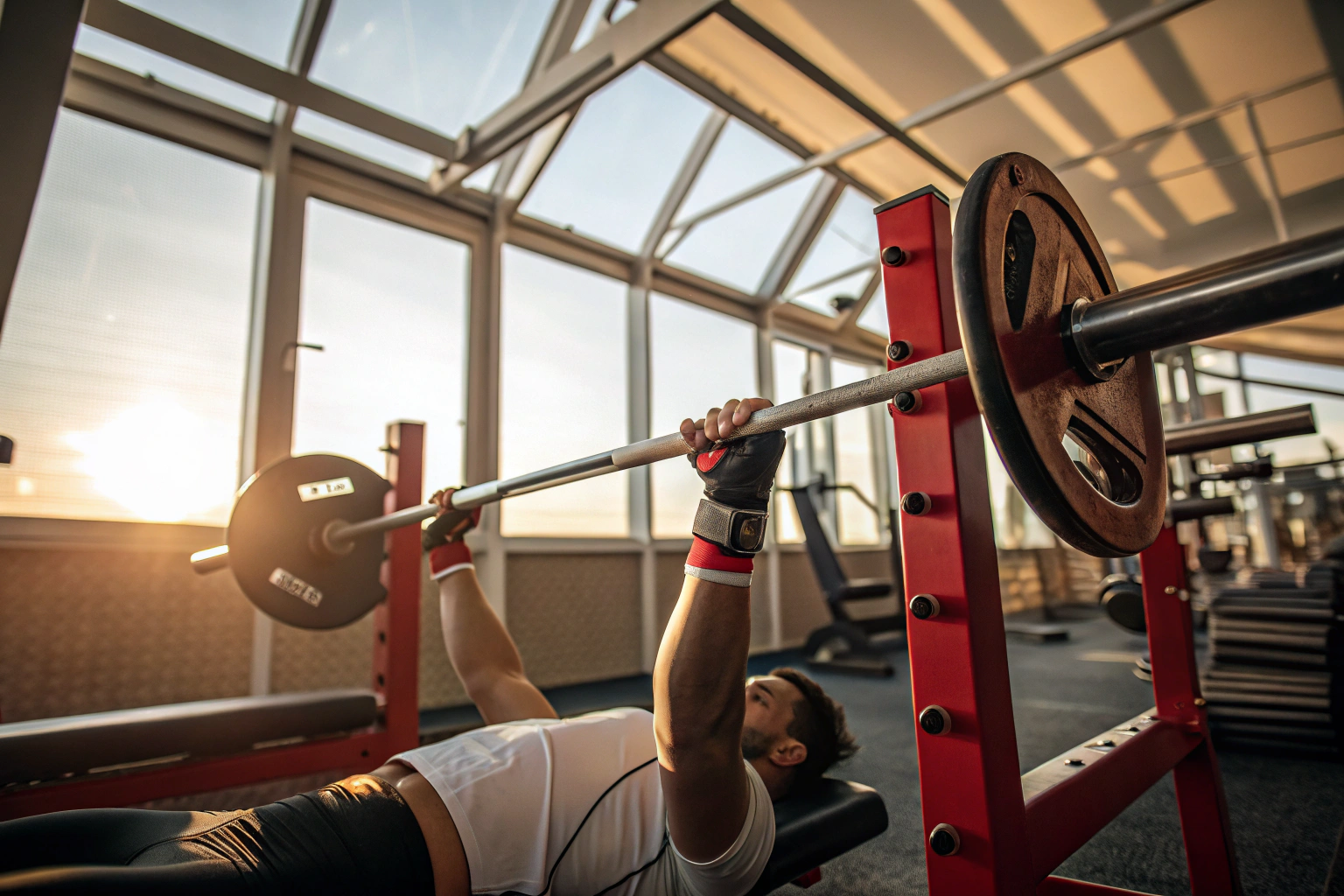
The Essential Guide to Weights and Racks for Your Fitness Journey
When it comes to building a home gym or upgrading your current setup, understanding the different types of weights and racks available is crucial. Whether you’re a seasoned lifter or just starting out, having the right equipment can make all the difference in your workout routine. For a detailed dive into this topic, check out the insightful weights and racks blog by Riptoned, which covers everything from weight types to rack options.
Types of Weights: What You Need to Know
Choosing the right weights is foundational to effective strength training. The most common types include:
1. Plate Weights
Plate weights are versatile and widely used in most gyms. They come in various materials such as cast iron, rubber-coated, and bumper plates. Bumper plates are especially popular for Olympic lifts because they can be dropped safely without damaging floors or equipment.
2. Dumbbells
Dumbbells are perfect for isolation exercises and unilateral movements. They come in fixed-weight and adjustable varieties. Fixed dumbbells offer durability and quick access to different weights, while adjustable dumbbells save space and provide flexibility for varying resistance levels.
3. Kettlebells
Kettlebells are unique due to their offset center of gravity, which challenges your balance and coordination. They’re excellent for dynamic movements like swings, snatches, and cleans, offering both strength and cardio benefits.
4. Other Specialty Weights
There are also medicine balls, sandbags, and weighted vests that add variety and functional training options. These tools can enhance endurance, agility, and overall athleticism.
Rack Options: Safety and Versatility
While weights are essential, having the appropriate rack to organize and safely use them is just as important. Here’s a breakdown of popular rack types:
1. Power Racks
Power racks are the gold standard for serious lifters. They provide adjustable safety bars and multiple attachment points, allowing for a variety of exercises like squats, bench presses, and pull-ups. Their sturdy frame ensures safety during heavy lifts.
2. Squat Racks
Squat racks are simpler and more compact than power racks, designed primarily for squatting movements. They’re ideal for those with limited space but still want a reliable setup for lower body training.
3. Weight Plate Racks
Keeping your weight plates organized is key to maintaining a safe and efficient workout area. Plate racks come in vertical and horizontal designs and help protect your plates while saving space.
4. Dumbbell Racks
Dumbbell racks keep your dumbbells neatly stored and easy to access. They’re especially useful if you have multiple sets of dumbbells or limited floor space to avoid clutter.
Why Investing in Quality Equipment Matters
Quality weights and racks are an investment in your fitness and safety. Cheap or poorly made equipment can lead to injury or damage, setting back your progress. Durable materials, solid construction, and thoughtful design features ensure that your gear lasts and performs well over time.
Moreover, proper racks help maintain organization, reduce trip hazards, and protect your equipment from unnecessary wear. A well-arranged gym space also boosts motivation and makes workouts more enjoyable.
Final Thoughts
Building a home gym tailored to your fitness goals requires careful consideration of your weights and racks. Understanding the differences between various weight types and rack systems helps you make informed decisions that match your training style and space constraints.
For a comprehensive overview and expert advice on selecting the right weights and racks, visit the weights and racks article by Riptoned. Investing in the right equipment today paves the way for consistent, safe, and effective workouts tomorrow.
Leave a Reply