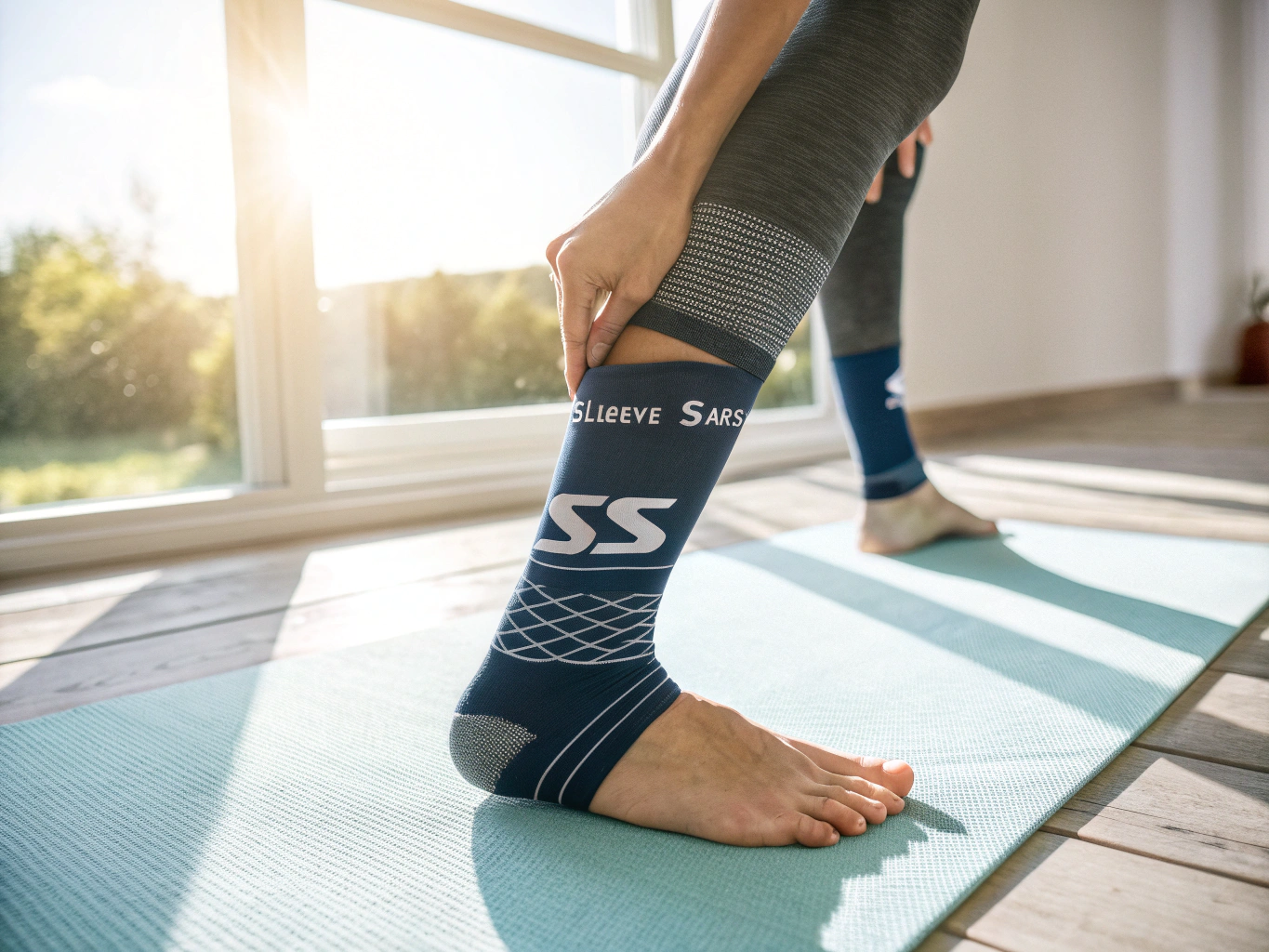
Understanding Knee Support for Patella Issues
Knee discomfort is a common problem that affects people of all ages, whether due to injury, arthritis, or general wear and tear. One of the most prevalent areas of concern is the patella, or kneecap, which plays a crucial role in knee function and stability. Proper knee support can alleviate pain, improve mobility, and prevent further injury. For an in-depth look at effective solutions, you can visit this knee support patella resource that offers detailed insights and product recommendations.
What Is Patella Support and Why Is It Important?
The patella is a small bone located at the front of your knee joint. It acts as a shield for the knee and increases the leverage of the thigh muscles, making leg movements more efficient. However, due to its exposed position and constant movement, it is vulnerable to various issues such as patellar tendonitis, chondromalacia patella (runner’s knee), and patellar subluxation or dislocation.
Patella support devices, such as braces or sleeves, are designed to stabilize the kneecap, reduce strain on the surrounding tendons, and distribute pressure evenly across the joint. This support is especially beneficial for athletes, individuals recovering from knee surgery, or those with degenerative conditions like osteoarthritis. By providing targeted compression and alignment, these devices can help reduce inflammation and pain, allowing for quicker recovery and improved function.
Types of Knee Supports for Patella
There are several types of knee supports available, each suited to different needs and levels of support:
- Knee Sleeves: These are made from elastic materials that provide gentle compression and warmth. They are ideal for mild pain or as a preventive measure during physical activity.
- Patellar Straps: These are narrow bands worn just below the kneecap to relieve pressure on the patellar tendon. They are especially useful for tendonitis and jumper’s knee.
- Hinged Knee Braces: Offering more rigid support, these braces help control knee movement and are often used after surgery or for significant instability.
- Open-Patella Braces: Designed with a hole around the kneecap, these braces provide targeted support to the patella while allowing greater movement.
Benefits of Using Patella Knee Support
Utilizing the correct patella support can provide a wide range of benefits, including:
- Pain Relief: Compression helps reduce swelling and inflammation, easing discomfort associated with patellar issues.
- Improved Stability: Supports stabilize the kneecap, preventing it from moving out of place and reducing the risk of injury.
- Enhanced Performance: Athletes often use knee supports to maintain confidence during activity, which can lead to better performance.
- Faster Recovery: Post-injury or post-surgery, knee supports protect the joint and surrounding tissues, facilitating quicker healing.
Choosing the Right Knee Support
Selecting the appropriate knee support depends on the specific condition and lifestyle of the user. Consider the following factors:
- Level of Support Needed: Mild discomfort may only require a sleeve, whereas instability might necessitate a hinged brace.
- Activity Type: For high-impact sports, durable and secure braces are recommended, while everyday use may benefit from lightweight sleeves.
- Comfort and Fit: A proper fit is essential to ensure the brace stays in place and does not cause additional irritation.
- Material Quality: Breathable, flexible materials improve comfort and wearability.
Tips for Effective Use of Patella Knee Supports
To maximize the benefits of knee supports, keep the following tips in mind:
- Consult a Healthcare Professional: Before choosing a knee support, get a proper diagnosis to understand the root cause of knee pain.
- Wear Consistently: Use the support during activities that stress the knee or as recommended by your doctor or physical therapist.
- Combine with Strengthening Exercises: Strengthening the muscles around the knee can provide long-term relief and reduce dependency on braces.
- Replace When Necessary: Knee supports can lose elasticity and effectiveness over time, so periodic replacement is important.
Conclusion
Knee support for patella-related issues offers a practical and effective way to manage pain, improve knee stability, and enhance recovery. Whether you are an athlete, recovering from injury, or dealing with chronic knee problems, choosing the right type of support can make a significant difference in your daily comfort and mobility. For more detailed information and product options, be sure to check out this knee support patella guide.
Leave a Reply